
Hot Yoga: Safety, Hydration, and When to Skip It
Hot yoga boosts flexibility, yet safety matters. Always hydrate before and after. Listen to your body; skip sessions if dizzy, injured, or ill.
HEALTH TIPS
12/2/20255 min read
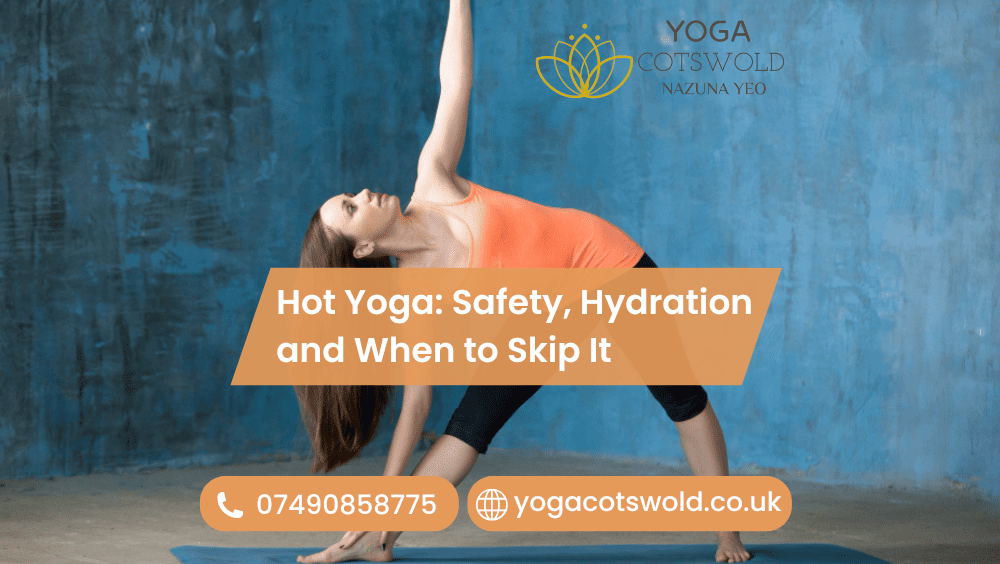
Hot yoga can feel transformative. The room warms,your muscles soften & your focus sharpens. Yet, like any powerful practice, it rewards preparation & common sense. In this guide, I’ll walk you through safety essentials, smart hydration strategies & the moments when you should skip class & rest instead. Moreover, I’ll share grounded advice shaped by years of teaching in the Cotswolds, so you can move, breathe & sweat with confidence.
Why Practise Hot Yoga at All?
Although the heat can look intimidating, it also offers benefits when you approach it wisely. Muscles feel more supple, so you may explore depth with less strain. Additionally, the warm environment encourages mental focus, because you learn to stay calm when conditions feel challenging. Finally, you often leave class with a profound sense of release. Get details on Yoga Teacher in Prestbury.
Safety First: Your Pre-Class Checklist
Check in before you even unroll your mat.
Eat light, not nothing. Arrive neither stuffed nor starving. A little snack such as a banana,yoghurt/oat bar about 90min before is great to get energy without any weight.
Turn down the caffeine. Coffee & pre-workout drinks can confuse your body’s temperature & thirst signals.
Know your medications.Some medicines, including certain antihistamines/blood-pressure drugs,may affect heat tolerance. If in doubt, consult a clinician.
Bring the kit. A non-slip mat, a large towel & at least one bottle for water/electrolytes make the session smoother & safer.
Arrive early. Give yourself time to settle your breath;you’ll reduce anxiety & start strong.
Heat, Heart, and Breathing: What to Expect
The heat raises your heart rate sooner than a room-temperature class. Therefore, your breath control becomes your anchor. Inhale steadily through the nose & lengthen your exhale to encourage your nervous system to settle. If breath gets ragged,you’re not “pushing”; you’re drifting into overexertion. Step back, kneel/lie down in Balasana. You’re still practising; you’re just practising wise self-regulation. Looking for a Yoga Teacher in Stow-on-the-Wold?
Hydration That Actually Works
You can’t“catch up”by chugging a litre right before class.Instead,think of hydration as a 24-hour practice.
The day before & the morning of: Sip water consistently.Add a pinch of salt/use a low-sugar electrolyte—tablet if you sweat heavily.
During class: Drink little and often. Two or three modest sips every 15–20 minutes keep your stomach settled and your body topped up.
After class:Rehydrate with water & electrolytes. If you crave food, reach for potassium & sodium sources—bananas, yoghurt with a little salt & honey/a light soup.
Also, keep in mind that overhydration may leach important minerals. Balance is the goal; electrolyte balance being as crucial as total fluid intake. Get details on Yoga Teacher in Northleach.
Spot the Red Flags: Heat-Related Symptoms
Even seasoned students can misread early heat stress. Watch for:
Dizziness/light-headedness
Nausea/a throbbing headache
Chills/goosebumps despite the heat
Cramping in calves, feet/hands
Confusion or unusual irritability
If you experience any of these, stop again, take a seat, sip water and cool gently. If you cough, get out of the room. You will learn to be resilient, eventually; but courage also includes the wisdom of when to stop.
When to Modify—and When to Skip It
You never need to match your neighbour’s depth or pace. Modify shapes, reduce range, or take Savasana early. Yet there are times when you should skip hot yoga altogether:
Fever or illness: Heat adds strain; rest speeds recovery.
Pregnancy (without prior clearance): Many people practise safely with experienced guidance; nevertheless, always seek medical advice first.
Heart conditions/uncontrolled blood pressure:Choose cooler classes unless your clinician clears you.
Migraine sensitivity:Heat can trigger attacks,so proceed with caution.
Severe dehydration from travel,alcohol/gastro issues:Rehydrate first;your mat will wait.
Acute injury or inflammation: Opt for gentler movement until swelling settles.
Moreover, if you feel emotionally overwhelmed, a cooler, slower class may serve you better that day.Yoga meets you where you are. Looking for a Yoga Teacher in Moreton-in-Marsh?
Technique Tips for a Safer Sweat
Small habits create big safety.
Stack, then stretch. Align joints first; add depth second. Alignment keeps tissues happy.
Use props. A block under your hand or a strap around your foot safeguards shoulders and hamstrings.
Pace your progress. Add intensity across weeks, not within minutes.
Respect your end range. Sensation is welcome; sharp pain is not.
Stay present. Drifting attention often precedes wobbles and tweaks.
Additionally, between poses, breathe in Tadasana to reset your posture & nervous system before you flow again. Get details on Yoga Teacher in Andoversford.
Building Heat Resilience Over Time
Acclimatisation doesn’t happen overnight. Therefore, begin with shorter classes or stand by the door where air feels slightly cooler. Gradually increase attendance to two/three sessions per week if your recovery remains strong. Sleep well, eat nourishing meals & keep non-yoga training moderate on hot-yoga days. Consequently, you’ll notice more stamina, steadier breath & clearer focus.
Post-Class Recovery: Seal the Benefits
After class, your body wants replenishment and calm.
Cool down slowly. A few minutes in a cooler corridor helps transition.
Rehydrate intelligently. Pair water with electrolytes.
Refuel.Shoot for a balance of carbohydrate & protein—eggs on wholegrain toast, Greek yoghurt & berries/something as straightforward as a rice bowl.
Stretch or legs-up-wall. Gentle shapes restore circulation.
Reflect. Note energy, mood, and any tweaks. Your journal becomes your best coach.
The Yoga Cotswold Approach
At Yoga Cotswold, I (Nazuna) emphasise smart intensity over bravado. We set up the room carefully, monitor ventilation, and encourage students to use modifications without hesitation. Importantly, we value curiosity: notice your breath, check your effort, and choose what supports you today. When you practise this way, the heat becomes a teacher—not a test.
Related Articles:
» Yoga Teacher in Upper Slaughter
» Yoga Teacher in Swindon Village
» Corporate Yoga Trainer for Companies in Cheltenham
» Group Yoga Classes in Cheltenham
Quick Safety Mnemonic
Hydrate with electrolytes before, during, and after.
Observe your breath and early heat stress signals.
Take time-outs whenever needed; skipping is allowed.
Smart Choices for a Safe Hot Yoga Practice
Hot yoga can be a brilliant ally for mobility,focus & resilience. However,it asks for respect: hydrate intelligently, read your body’s cues & rest when needed. If you’re curious yet cautious,you’re already on the right path. Join us at Yoga Cotswold & let’s build a practice that feels strong, attentive & deeply human.
FAQs on "Hot Yoga: Safety, Hydration, and When to Skip It"
1) How much water should I drink before hot yoga?
Begin the day well-hydrated & sip regularly.As a general guide, drink a glass upon waking,another mid-morning & one in the hour before class. During class, take small sips; afterwards, use electrolytes to replace—minerals.
2) Do I need electrolytes every time?
If you sweat a lot, practise frequently/notice post-class headaches/cramps, electrolytes—help. Choose low-sugar options/add a pinch of salt & a squeeze of citrus to water.
3) What should I wear?
Light, breathable fabrics that wick moisture. A grippy mat & a large towel will help minimize sliding. Say no to soggy cotton layers.
4) Can beginners try hot yoga?
Absolutely—start near the door, take rests, and keep your breath smooth. Moreover,let your teacher know it’s your first class,so we can suggest—modifications.
5) Is hot yoga safe during pregnancy?
Sometimes,with personalised guidance;however,always seek medical—clearance first. Many prefer cooler prenatal classes for comfort and safety.
6) What if I feel dizzy mid-class?
Kneel/lie in Child’s Pose/Savasana, sip water & cool down. If dizziness persists, leave the room & recover.
7) Will hot yoga help weight management?
It can support an active lifestyle & mindful eating;nevertheless,sustainable—changes come from consistent movement,balanced nutrition & adequate sleep.
8) How often should I practise?
Two to three times weekly works for many. Consequently, your body adapts without feeling depleted. Keep at least one full rest day.
9) Are there people who shouldn’t do hot yoga?
Yes. Those with uncontrolled blood pressure,certain heart conditions,acute illness/severe dehydration should skip it.When unsure,speak to a clinician.
10) Can I add strength training on the same day?
Yes, but space sessions out. If you lift after hot yoga, reduce external load and focus on technique. Alternatively, lift first in a cooler environment and keep hot yoga restorative.
Contact
info@yogacotswold.co.uk
Social Media
Get in Touch
07490858775








Address: GEORGE MOORE COMMUNITY CENTRE- BOURTON ON THE WATER
Moore Road, Bourton on the Water GL54 2AZ